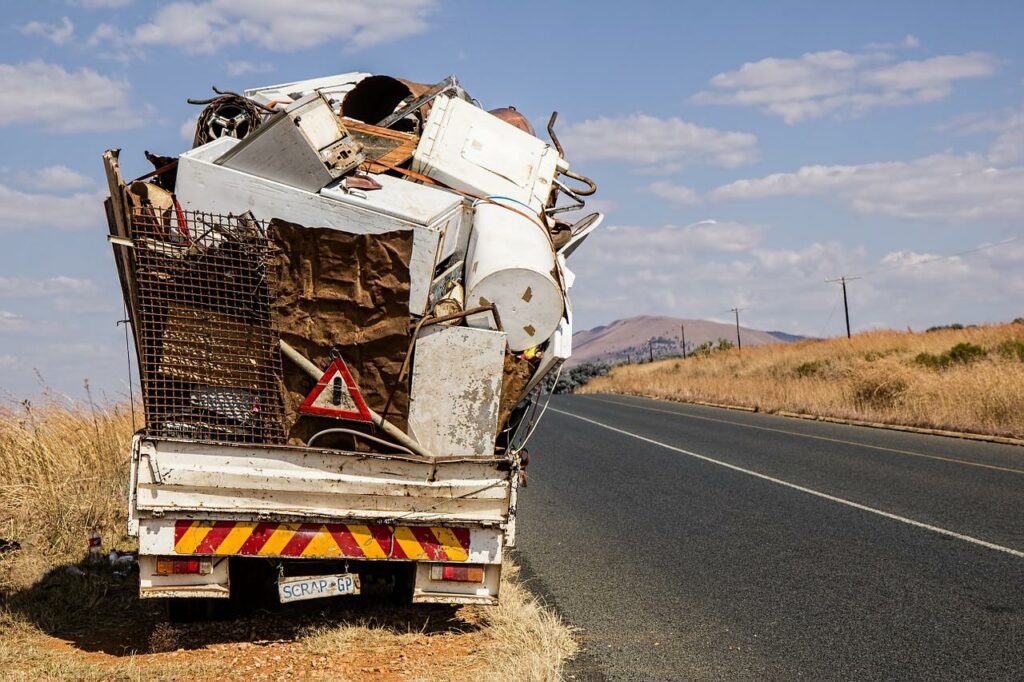

Moving to a new home presents the perfect opportunity to declutter and streamline your possessions. Whether you’re relocating within Calera, Sylacauga, Auburn, Florence, or anywhere else in Alabama, deciding what to keep, donate, and discard can be a challenging but rewarding process. In this comprehensive guide, Move Gurus brings you expert advice on junk removal to make your move smoother and your new home clutter-free.
Decluttering Before a Move
Before we dive into the specifics of junk removal, it’s crucial to understand why this process is so important before a move. First and foremost, decluttering can significantly reduce your moving costs. The less you have to move, the less you’ll pay in terms of time, effort, and money. This is especially true if you’re hiring professional movers, as the cost is often based on the volume or weight of your belongings.
Secondly, having fewer items makes the packing and unpacking process much easier and less stressful. You won’t have to spend as much time sorting through things you don’t really need or want. This efficiency can make a huge difference in how smoothly your move goes and how quickly you can settle into your new home.
Moreover, decluttering before a move gives you the opportunity for a fresh start. Moving to a new home is a significant life change, and entering this new chapter with only the items that truly add value to your life can be incredibly freeing. Junk removal allows you to design your new space intentionally, without the burden of excess belongings.
Lastly, removing unnecessary items before your move helps you optimize space in your new home right from the start. Instead of cramming all your old belongings into a new space and then trying to organize, you can move in with a clean, organized slate. This approach can significantly reduce the stress of settling into your new home and help you enjoy your new space more quickly.
What to Keep: Essentials and Treasures
When deciding what to keep during your junk removal process, it’s important to focus on items that are either necessary for daily life or hold significant sentimental value. These are the possessions that truly enhance your life and deserve a place in your new home.
In terms of practical items, consider keeping furniture that fits both your new space and your lifestyle. There’s no point in moving a large sectional sofa if it won’t fit in your new living room or if it doesn’t suit your new home’s style. The same goes for other large items like beds, dressers, and dining tables. Measure your new space if possible and plan accordingly.
In the kitchen, focus on keeping essentials that you use regularly. That pasta maker you’ve used once in five years? It might be time to let it go. But the coffee maker you use every morning and the set of pots and pans you cook with weekly are definitely worth keeping. The goal is to stock your new kitchen with items that will actually be used and appreciated.
When it comes to clothing, a good rule of thumb is to keep items that fit well and that you’ve worn in the last year. Seasonal items like winter coats or swimming suits can be an exception to this rule, but be honest with yourself about what you actually use and what’s just taking up space in your closet.
Important documents and records should always make the cut when deciding what to keep. This includes things like birth certificates, passports, financial records, and medical information. These items are often irreplaceable and may be needed unexpectedly, so it’s crucial to keep them safe and organized during your move.
Functional electronics and appliances are generally worth keeping, as long as they’re in good working order and you actually use them. That old TV in the guest room that hasn’t been turned on in years? It might be time to let it go. But your laptop, smartphone, and other regularly used devices should definitely come with you to your new home.
When it comes to sentimental items, the decision-making process can be more challenging. Family heirlooms, photo albums, and memorabilia often hold deep personal significance. While it’s important not to let sentimentality lead to clutter, it’s equally important to honor the memories and connections these items represent. Consider keeping items that truly spark joy or tell an important part of your life story.
Artwork with personal significance is another category of items often worth keeping. Whether it’s a painting you’ve had since college or a sculpture you picked up on a memorable vacation, art can add personality and warmth to your new home. Just make sure the pieces you choose to keep will fit with your new space and decor style.
Gifts that hold special memories can also be worth keeping, but be selective. Just because something was a gift doesn’t mean you’re obligated to keep it forever, especially if it doesn’t fit your lifestyle or bring you joy. Focus on keeping gifts that genuinely mean something to you and that you can see yourself using or appreciating in your new home.
What to Donate: Useful Items You No Longer Need
Donating items you no longer need is an excellent way to declutter while also helping others in your community. Many items that no longer serve a purpose in your life could be incredibly useful to someone else. This approach not only helps you reduce the amount of stuff you need to move but also contributes to a more sustainable and generous society.
Gently used clothing and shoes are always in high demand at donation centers. If you have clothing in good condition that you haven’t worn in the past year, or that no longer fits your lifestyle or body, consider donating it. This could include everything from everyday wear to special occasion outfits. Just make sure all items are clean and in good repair before donating.
Books and media are another category of items that are often welcome at donation centers. While you may want to keep your favorite reads or collectibles, consider donating books you’ve already read and don’t plan to revisit. The same goes for DVDs, CDs, or video games you no longer use. These items can bring entertainment and education to others who might not be able to afford them new.
Kitchenware and small appliances in good condition are also great candidates for donation. If you’re downsizing your kitchen or have duplicates of items, consider donating the extras. This could include things like dish sets, utensils, toasters, or coffee makers. Many people setting up their first home or recovering from a disaster are in need of these basic kitchen items.
Furniture that’s still functional but doesn’t fit your new space is another excellent category for donation. Maybe your current dining table is too large for your new eat-in kitchen, or you have an extra armchair that won’t fit in your new living room. As long as these items are in good condition, they could be very useful to someone else. Many donation centers even offer pickup services for larger furniture items, making the process even easier for you.
Toys and games in good condition are always needed at donation centers. Children quickly outgrow toys, and donating them allows other children to enjoy them. This category could include everything from board games and puzzles to stuffed animals and sports equipment. Just make sure all pieces are included and that the items are clean and in good working order.
When donating, it’s important to ensure that all items are clean and in working condition. Donation centers typically don’t have the resources to clean or repair items, so it’s up to you to make sure your donations are ready to be used by someone else. Many organizations in Alabama accept donations, including local thrift stores, Goodwill, and The Salvation Army. Some even offer pickup services for larger items, making the donation process even easier.
Remember, the goal of donation is to pass on items that are still useful but no longer needed in your life. By doing so, you’re not only decluttering your own space but also potentially making a significant difference in someone else’s life.
What to Discard: Items Past Their Prime
While keeping essential items and donating useful ones are important parts of the junk removal process, it’s equally crucial to recognize when it’s time to simply discard certain items. These are typically possessions that have outlived their usefulness and wouldn’t be appropriate to pass on to someone else.
Broken or damaged items beyond repair should be at the top of your discard list. This could include furniture with broken legs, appliances that no longer work, or clothing with irreparable tears or stains. Keeping these items only takes up valuable space and can contribute to a cluttered, chaotic environment.
Outdated electronics or appliances often fall into the discard category as well. While some electronics can be recycled, others may need to be disposed of specially. Old cell phones, computers that no longer function, or appliances that have been replaced by newer, more energy-efficient models are all candidates for discarding. Just be sure to properly erase any personal data from electronic devices before disposal.
Expired food, medications, and cosmetics should always be discarded before a move. These items can be potential health hazards and are not worth transporting to your new home. Go through your pantry, medicine cabinet, and bathroom drawers, checking expiration dates and tossing anything that’s past its prime.
Old paperwork and magazines can quickly accumulate and contribute to clutter. Before your move, go through your files and discard any outdated or unnecessary paperwork. Just be sure to shred any documents containing sensitive information to protect yourself from identity theft. Old magazines and newspapers can typically be recycled.
Worn-out clothing, shoes, and linens that are beyond repair or use should also be discarded. While it might be tempting to keep that old, comfortable t-shirt or those shoes you’ve had for years, if they’re falling apart, it’s time to let them go. The same goes for towels, bedsheets, or blankets that are threadbare or stained.
Items with missing pieces or parts often end up being more frustrating than useful. That board game with half the pieces missing or the appliance that’s missing a crucial component? It’s probably time to say goodbye to these incomplete items.
When discarding items, it’s important to do so responsibly. Recycle what you can – many communities have recycling programs for paper, plastic, glass, and even some electronics. For items that can’t be recycled, make sure you’re following local guidelines for disposal. This is particularly important for potentially hazardous items like batteries, paint, or certain electronics.
Many communities have specific guidelines for disposing of electronics, batteries, and other potentially harmful items. Some may have special collection days for these types of materials, or you may need to take them to a specific facility. A little research into your local waste management policies can go a long way in ensuring you’re discarding items responsibly.
Remember, the goal of discarding is to remove items that no longer serve a purpose and can’t be useful to others. By getting rid of these things, you’re creating space in your life for new experiences and possessions that truly add value.
The Decision-Making Process
Now that we’ve covered what generally falls into the keep, donate, and discard categories, let’s discuss the decision-making process itself. Junk removal before a move can seem overwhelming, but with the right approach, it can be manageable and even rewarding.
First and foremost, start early. Beginning the junk removal process well before your move date is crucial. This gives you time to make thoughtful decisions about your belongings without the added pressure of an impending move. It also allows time for arranging donations, proper disposal of certain items, and potentially selling valuable items you no longer need.
A room-by-room approach can help prevent overwhelm. Start with one area of your home and work through it completely before moving on to the next. This method allows you to see progress as you go, which can be motivating. It also helps ensure that no area is overlooked in the process.
As you go through your belongings, consider implementing the “one-year rule.” If you haven’t used an item in the past year, it might be time to let it go. Of course, there are exceptions to this rule, such as seasonal items or specialty tools, but it’s a good general guideline to keep in mind.
It’s also important to consider your new space when making decisions. Will the item fit in your new home? Will it serve a purpose there? If you’re downsizing, you might need to be even more selective about what you keep. On the other hand, if you’re moving to a larger space, you might have room for items you’ve been storing away.
In our digital age, consider digitizing when possible. Important documents, photographs, and even some media can be scanned and stored digitally, saving physical space. Just be sure to back up your digital files securely.
Throughout the process, strive to be honest with yourself. It’s easy to hold onto items out of guilt or a vague “just in case” mentality. But ask yourself: Does this item truly add value to my life? Will I realistically use or enjoy it in my new home? If the answer is no, it might be time to let it go.
If you’re moving with family, involve all family members in the decision-making process for shared items. This not only ensures that everyone’s opinions are considered but can also be a good opportunity to teach children about decision-making and the value of decluttering.
How Move Gurus Can Help
At Move Gurus, we understand that junk removal can be a daunting task. That’s why we offer comprehensive junk removal services to complement our moving services. Our team of professionals can help you sort through your belongings, identifying items for donation and disposal. We have the knowledge and resources to ensure that all items are disposed of properly and responsibly.
Our junk removal services can be particularly helpful for large or bulky items that are difficult to transport. We can remove old furniture, appliances, and other hefty items, saving you the trouble of figuring out how to dispose of them yourself.
Moreover, our team can help streamline the donation process. We have established relationships with local charities and donation centers in Calera, Sylacauga, Auburn, Florence, and surrounding areas in Alabama. We can ensure that your donated items get to where they can do the most good.
By entrusting your junk removal to Move Gurus, you can focus on other aspects of your move and start fresh in your new home. Whether you need help with a few challenging items or want a complete junk removal service, we’re here to make your move as stress-free as possible.
Remember, effective junk removal is about more than just getting rid of things. It’s about making mindful decisions about what you want to bring into your new chapter of life. With these guidelines and the help of Move Gurus, you can ensure that your move is not just a change of address, but a fresh start in a clutter-free, organized new home.