
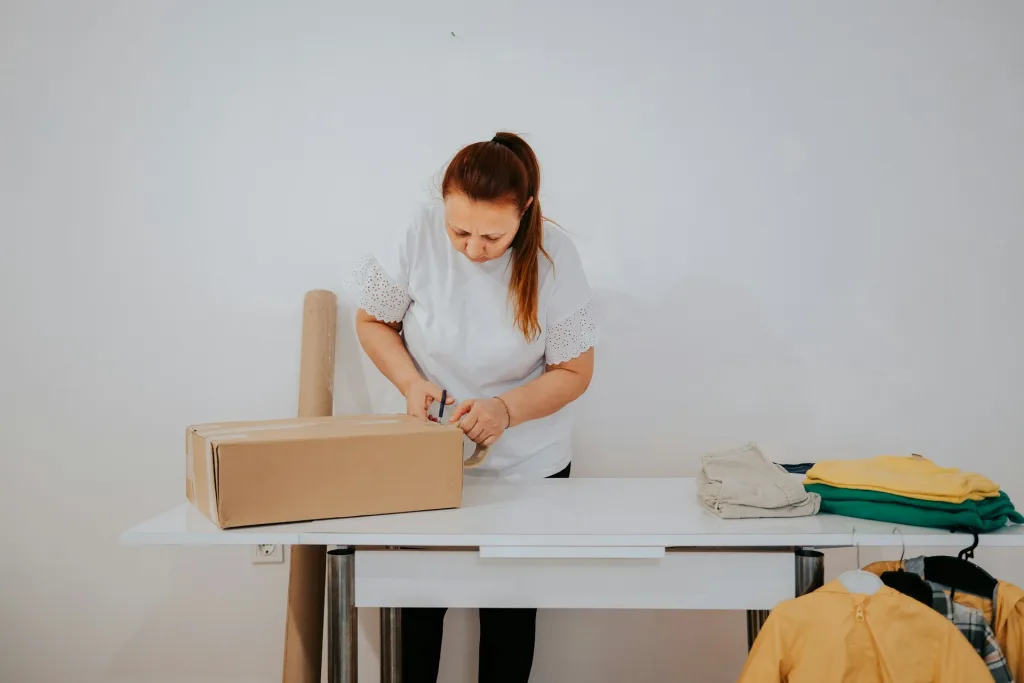
At present, more and more professionals are working from the comfort of their homes. A well-designed home office is essential for optimizing productivity, organizing essential documents, and creating a pleasant workspace for focused tasks. However, when it comes time to move, relocating a home office can present unique challenges, such as handling sensitive electronics, transporting important paperwork, and recreating an efficient workspace in your new home.
This comprehensive guide will provide valuable insights and actionable tips for successfully moving your home office, ensuring you can focus on your work with minimal disruption throughout the process.
We will explore essential topics, including how to assess your home office inventory and decide what items to keep, donate, or discard, effectively simplifying your move.
We will share expert tips for safely and efficiently packing your office belongings, emphasizing protecting electronics and equipment. Moreover, we will discuss how to ensure the proper functioning of your tech and electronics in your new space, from safe transport to proper set-up in your new home office. Lastly, we will delve into the crucial aspects of designing and organizing your new home office to maximize productivity, comfort, and overall work satisfaction.
By following our practical strategies, you’ll enjoy a seamless transition and be well-prepared to tackle the challenges of moving your home office. So, let’s dive into the essential tips you need to know to prevent relocation headaches and continue your work in an inspiring and efficient new environment.
Assessing Your Home Office Inventory: Deciding What to Keep, Donate, or Discard
1. Take Inventory: Begin by making a complete list of your home office items, categorizing them by necessity, condition, and frequency of use.
2. Digitize Paperwork: Reduce clutter by scanning essential documents and storing them in a secure digital format, such as cloud storage or external hard drives.
3. Purge Unneeded Items: Sort through your belongings, identifying items that can be donated, discarded, or recycled to limit the volume of items you’ll need to move.
4. Request Professional Assistance: If you’re uncertain about handling high-value or delicate items, enlist the help of a professional moving service experienced in office relocations.
Packing Your Home Office Safely and Efficiently: Tips and Tricks for a Well-Planned Move
1. Gather Quality Packing Materials: Invest in sturdy boxes, bubble wrap, packing tape, and packing paper to protect your office items during transit.
2. Label Boxes Clearly: Clearly label each box with its contents and destination room, using a color-coding system for simple identification and accurate placement.
3. Use Protective Covers for Furniture: Utilize furniture covers, bubble wrap, or blankets, and pad any sharp edges or corners to prevent damage during transit.
4. Pack Electronics Carefully: Protect electronics by using original packaging or sturdy boxes with ample cushioning, ensuring cords are neatly bundled and labeled to avoid confusion upon reassembly.
Ensuring Proper Functioning of Tech and Electronics After the Move: Precautions and Set-Up Tips
1. Take Photos of Wiring Set-Up: Before unplugging and packing electronics, snap pictures of the wiring configurations to serve as a reference when setting up in your new home.
2. Use Proper Lifting Techniques: When moving heavy items like computers or printers, use proper lifting techniques and adequate support to prevent injury and damage.
3. Set Up Electronics in a Clean, Dry Environment: Ensure your new office space is free of dust and moisture before installing important electronics, as these factors can affect performance.
4. Inspect Items for Damage: Thoroughly examine electronics for any signs of damage before setting up in your new home office and address any necessary repairs.
Designing and Organizing Your New Home Office: Maximizing Productivity and Comfort
1. Plan Your Layout: Sketch out a map of your new home office space, considering the location of outlets and windows, to create an efficient and comfortable floor plan.
2. Prioritize Ergonomics: Invest in a comfortable, ergonomic chair and desk arrangement that supports proper posture and reduces the risk of back pain or discomfort.
3. Optimize Storage Solutions: Incorporate storage elements like shelves, filing cabinets, and desk organizers to manage paperwork and office supplies effectively.
4. Personalize Your Workspace: Decorate your new office with personal touches, like art, plants, or photographs, to inspire creativity and maintain a positive work environment.
Final Thoughts
Embarking on a move that involves relocating your home office can be an overwhelming task, yet preparing for this change can lead to exciting new opportunities in your workspace and life.
By following our expert tips from Move Gurus on assessing your inventory, packing safely, handling tech and electronics, and designing a fresh home office, you will be on your way to a seamless and stress-free move. Embrace this as an opportunity to declutter, reorganize, and create a fresh environment that fosters productivity and joy in your work. Contact our local moving company in Calera, AL, to get started today!